X
Register for our upcoming events here
Every summer, as the weather warms and water becomes irresistible, the news brings stories no parent should ever have to read – and this year has been no exception. The recent deaths of young people who went into reservoirs and open water to cool off, and never came home, have stayed with me: as a mother, as a teacher and as someone who has spent a career around water as a trained lifeguard and swimming teacher. Behind every headline is a family whose life has changed forever.
What makes these tragedies so hard to bear is how preventable many of them are. The figures are sobering. Young people aged 10 to 29 account for more than a quarter of all accidental drowning deaths in the UK, and inland waters – rivers, lakes, quarries and reservoirs – are where the majority now happen. Warm weather is a known trigger, drawing people towards water that looks inviting but hides real danger.
The danger most people underestimate is cold water shock. A reservoir rarely rises above 11°C, even on the hottest day. Enter water that cold and the body gasps involuntarily, the heart races, and even a strong, fit swimmer can lose control of their breathing within seconds. It is rarely poor swimming that kills in these moments – it is the cold, the panic, the lack of any safe exit, and the absence of a lifeguard.
This is exactly why I believe swimming is not a luxury, a sport or a summer pastime. It is a life skill – one of the few we teach that can genuinely be the difference between life and death. A child who can swim competently, and who understands and respects water, is far better equipped to make a safe choice at the water’s edge.
That includes one piece of advice every young person should carry: if you fall into cold water unexpectedly, fight the instinct to thrash and swim. Instead, tilt your head back with your ears submerged, relax, and float. The RNLI’s “Float to Live” message saves lives because floating buys the ninety seconds or so needed for the shock to pass, so you can steady your breathing and call for help. It is simple, and it works.
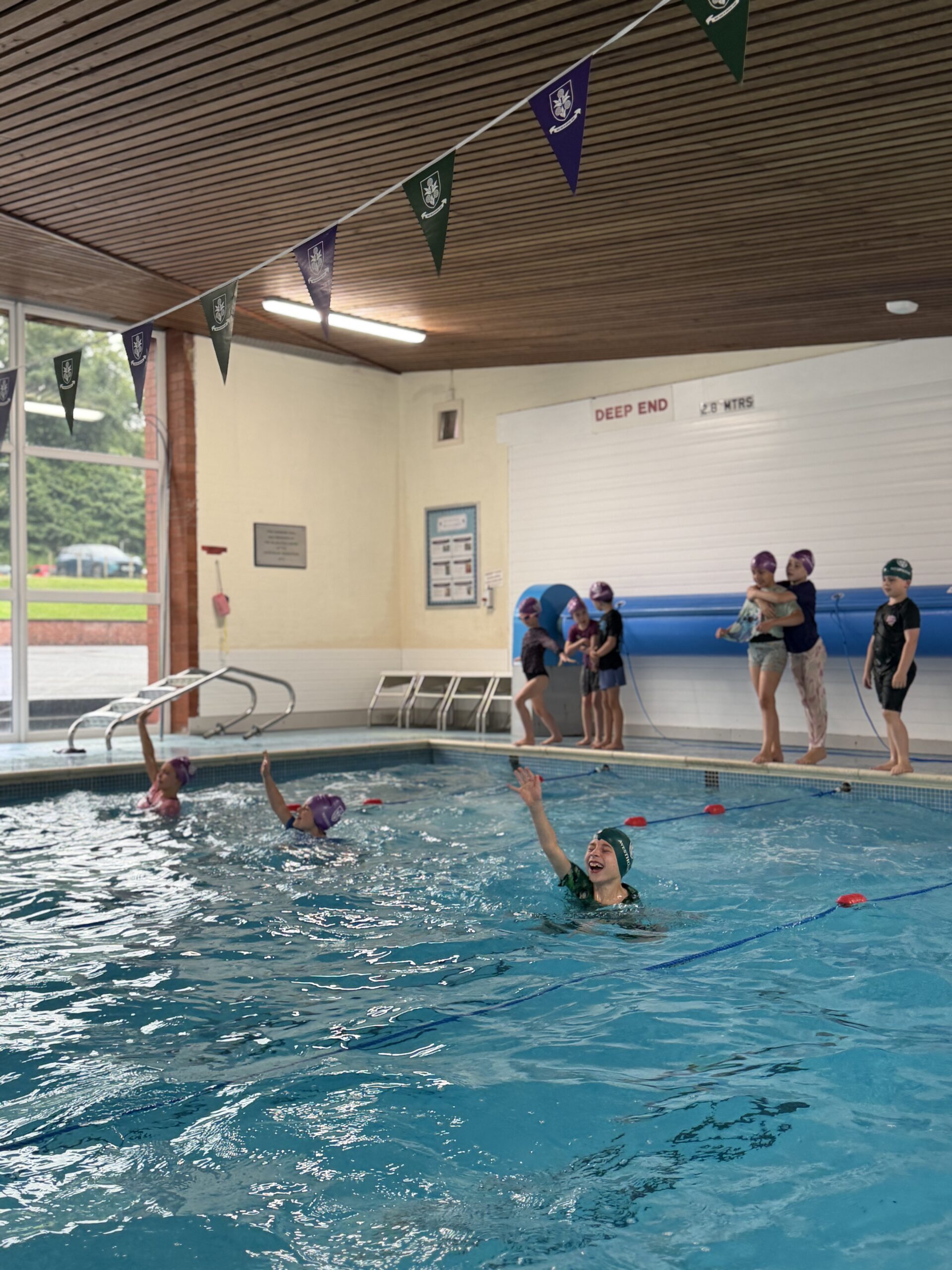
At Westholme School in Lancashire, water safety is woven into school life rather than bolted on. We are fortunate to have our own swimming pool, and children learn to swim with us from the Prep School upwards. Our aim has never been only to produce competitive swimmers, proud as we are when pupils excel. It is to ensure every child leaves us able to swim with confidence, and to understand water well enough to keep themselves – and others – safe.
As our Principal, Paul Taylor, puts it: “Our long-term ambition is for every Westholme child to be a capable, confident swimmer. We see it not as an extra, but as part of our duty of care – a skill that protects them for life.”
So, I would gently ask every parent reading this to do one thing this summer: talk to your children about open water. Tell them that reservoirs and rivers are not swimming pools, that cold water is deceptively dangerous, and that floating saves lives. And if your child cannot yet swim confidently, make it a priority. Lessons are never wasted.
We can never make water completely safe. But we can give our children the skill, the knowledge and the respect for water that mean far fewer families face the heartbreak we have read about this summer. To me, that is one of the most important lessons any school can teach.
Jude Gough
Assistant Head (Wellbeing Strategy), Westholme School
June 2026

Find us
Westholme School Wilmar Lodge,
Meins Rd, Pleasington
BB2 6QU
Call
01254 506070
Senior & INSPIRED Sixth Form
secretary@westholmeschool.com