X
Register for our upcoming events here
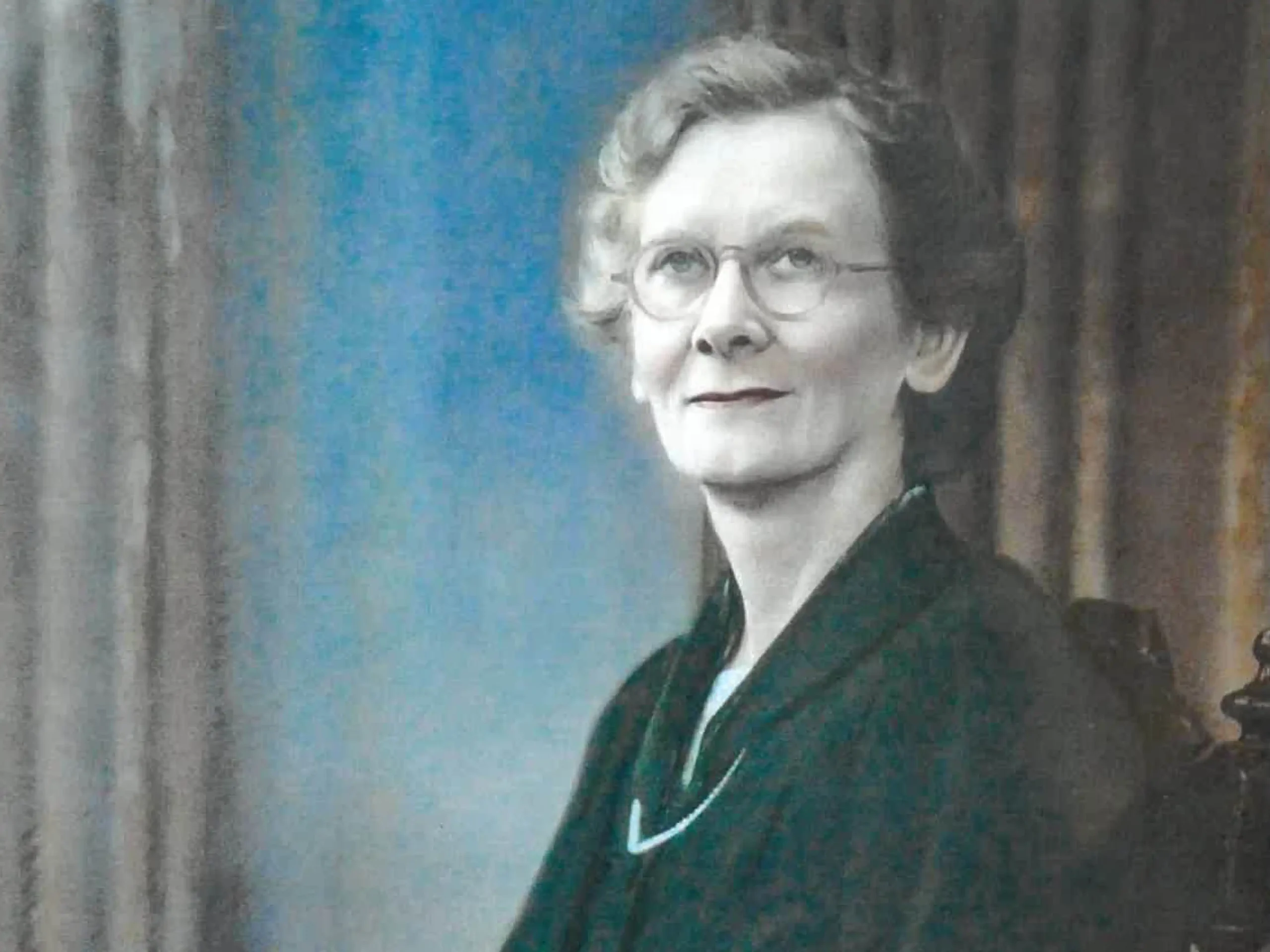
Westholme was established over 100 years ago by Miss Emily Singleton (Dudley Training College) and Miss Ivy Richmond BA Hons (London)
The strong ethos of providing all-rounded education is still evident today as the school has moved with the times, often quite literally as seen with the recent joining of Prep on the Meins Road site, bringing all three Schools together.
In 2023 Westholme celebrated its centenary, it was an opportunity to reflect on 100 wonderful years of excellence. There are so many developments and memories to share this page captures the highlights of Westholme’s unique evolution over ten decades. We are delighted to share our journey with you.
1920s
In the early 1920s, local education authorities in Blackburn and surrounding towns were so short of funds that retiring or deceased teachers were not replaced, forcing larger class sizes. For two young women in Blackburn, this meant no teaching vacancies. Their solution was simple yet bold: if no School would employ them, they would create one.
In March 1923, Miss Emily Singleton (Dudley Training College) and Miss Ivy Richmond, B.A. Hons (London) ordered furniture for their venture. On 19 April 1923, they opened their new School with just three pupils. By 1926, the School had outgrown its premises and moved to rooms in Westholme, a house at 167 Preston New Road – and with that move, the School finally had its name.
1930s
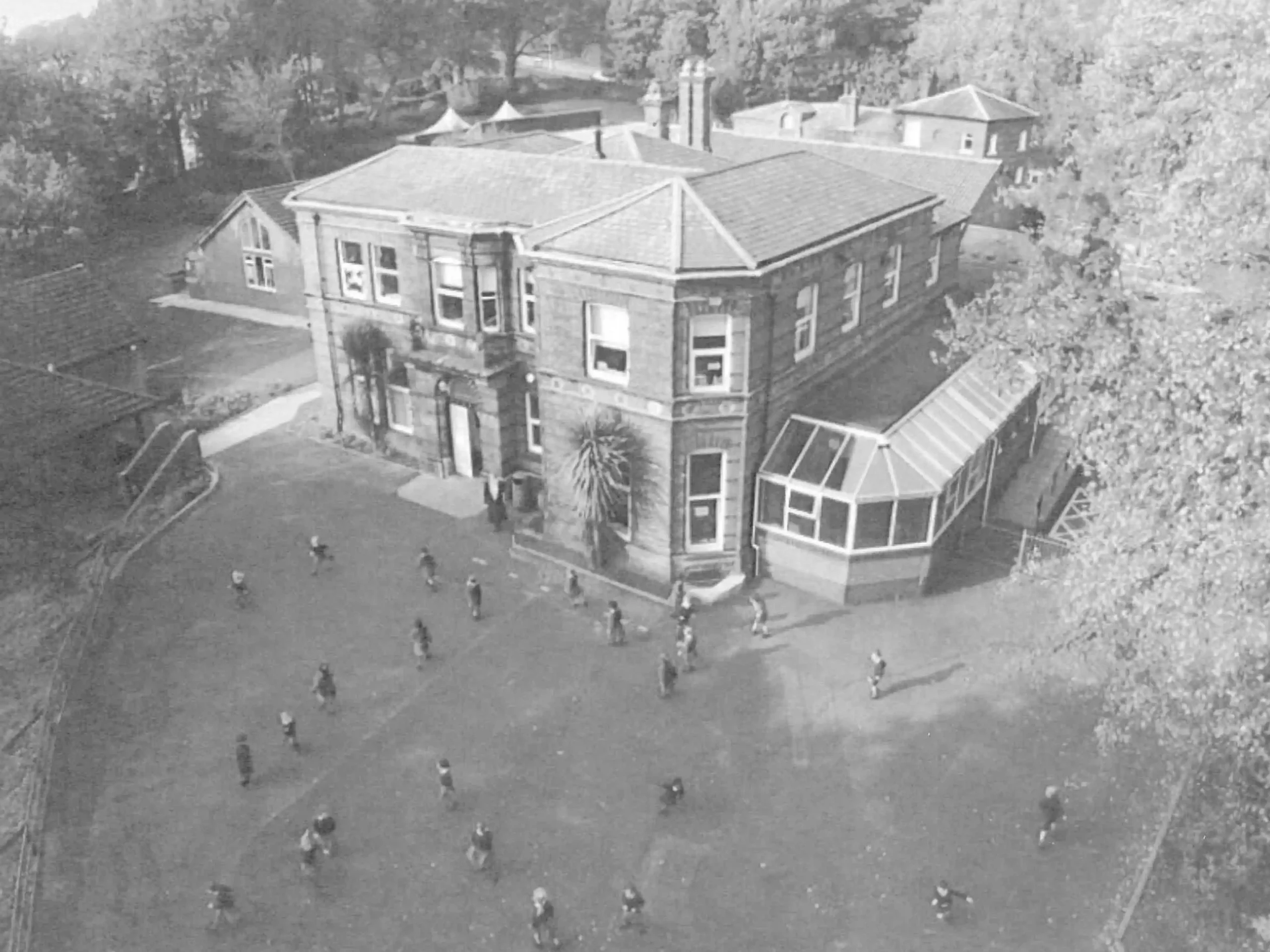
Despite turbulent times, Westholme’s fortunes were rising. An ideal property came on the market, Billinge House, the former Infant Department of Blackburn Girls’ High School. With its own grounds, it offered perfect facilities for a variety of sports.
In 1930, the whole School moved into Billinge House, taking the Westholme name with it. Miss Emily Singleton and her mother, Emma, lived upstairs, apart from the schoolrooms. It was here that Mrs Singleton passed away in 1939.
As pupil numbers grew, Miss Singleton sought formal recognition from the Ministry of Education. Inspections began in 1939, but the official letter of approval was tragically lost in the Manchester Blitz. Even so, the dawn of a new decade brought renewed hope for Westholme’s future.
1940s
1944 was a turning point for Westholme. On the beaches of Normandy, 33-year-old Arthur Rouse fought with British, Commonwealth, and US forces to liberate France. He survived, though many comrades did not — and would later become Westholme’s second Principal.
That same year, the 1944 Education Act required inspector approval for older pupils to remain at School. Parents wanted their daughters to stay, and interest was growing beyond the town. Following an HMI visit, Westholme was granted a two-year trial to keep older pupils – but another building would be needed.
By 1949, with Miss Singleton retiring, leadership was essential. She found not one, but two: Mr and Mrs Rouse, both qualified teachers. Major Rouse, MBE, left the army to join his wife as co-Principal, inheriting the School pupils never wanted to leave.
1950s
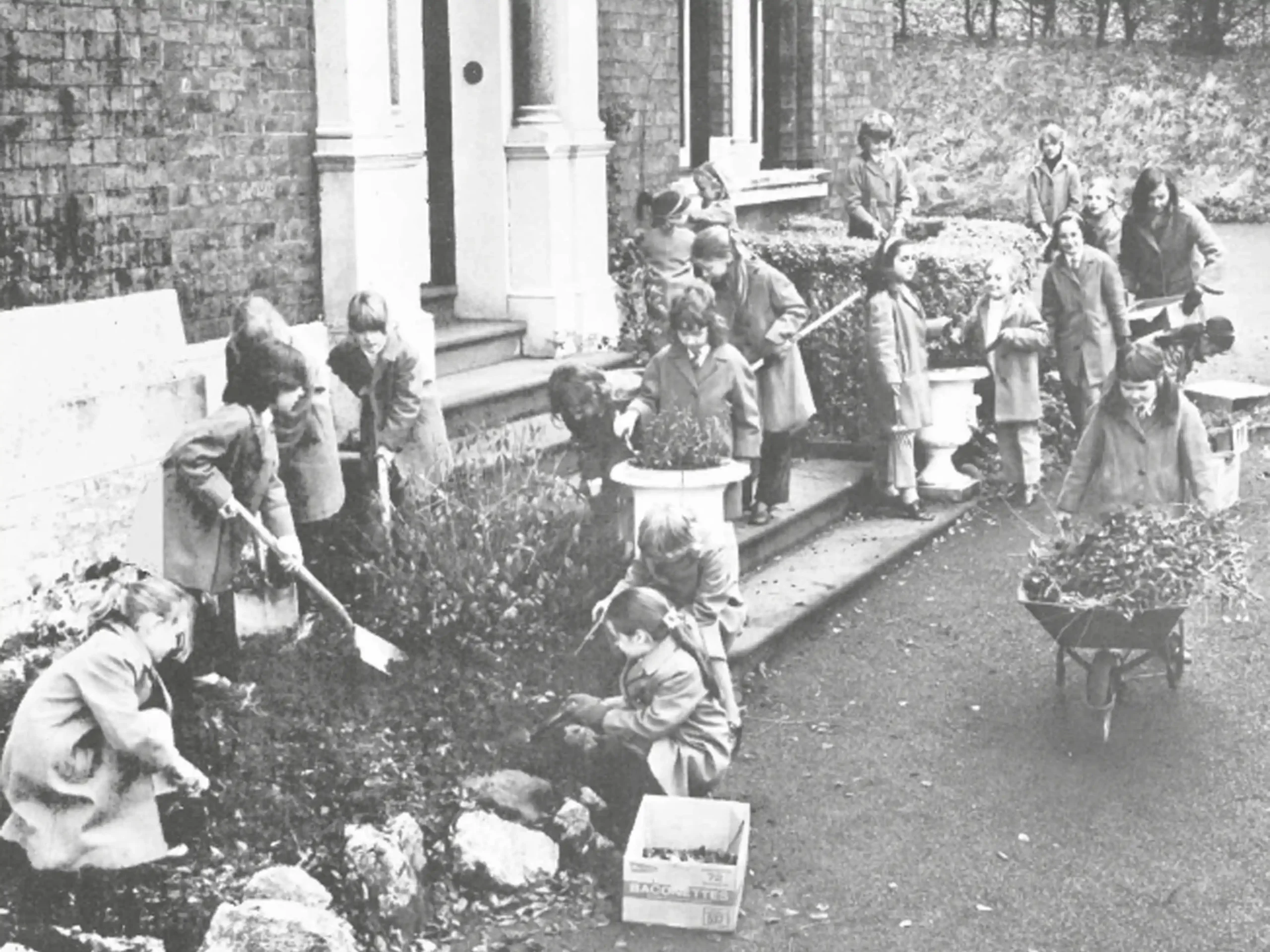
In January 1950, Arthur Rouse became Principal of Westholme, with Mr and Mrs Rouse taking up residence in the upstairs rooms of Billinge House. The need to prepare Senior Girls for the G.C.E. led to the purchase of Garth on St Silas Road in 1953. As Miss Stopford later recalled, this could only be a temporary solution, and in 1956 Beardwood Bank was purchased.
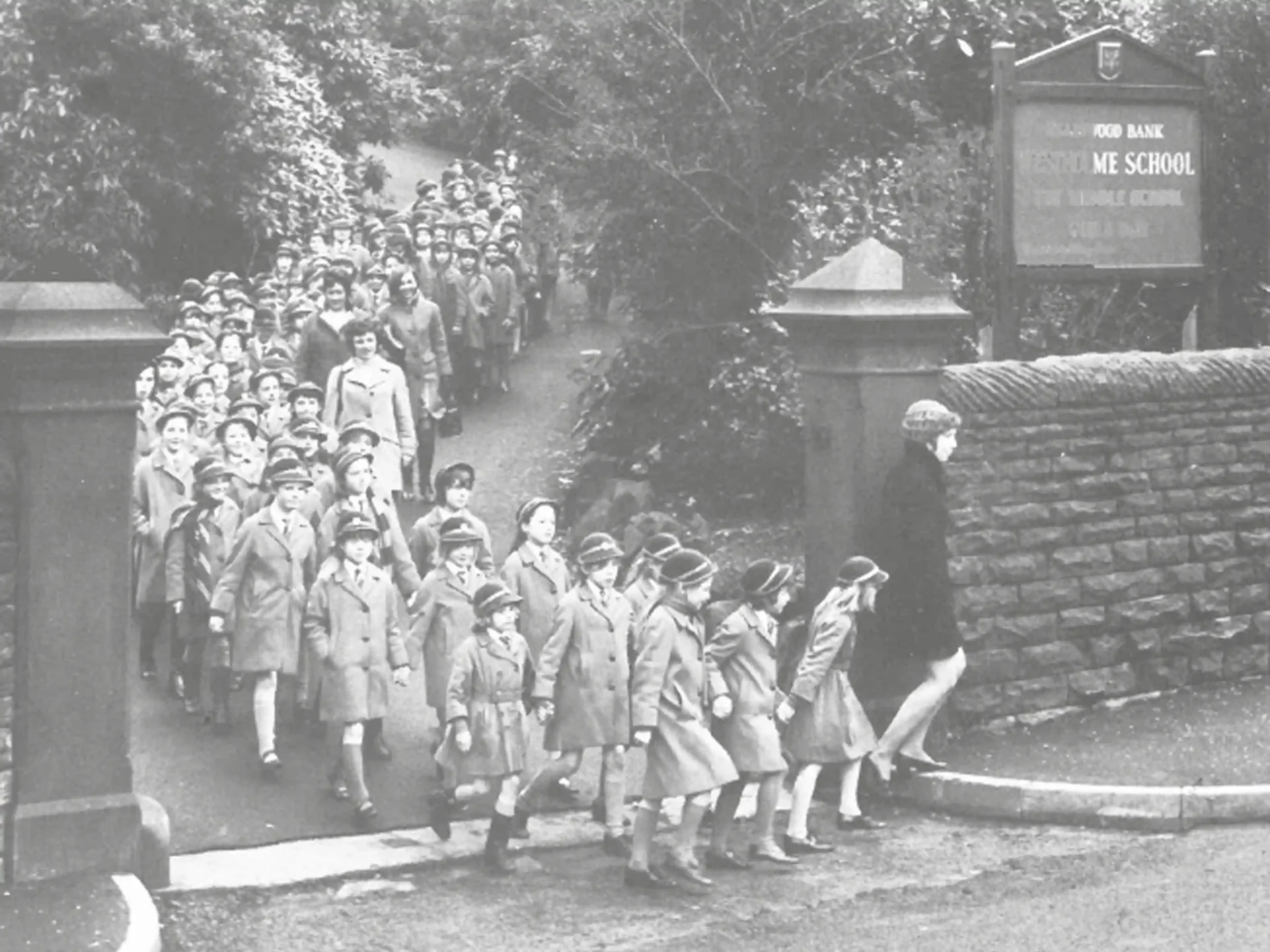
Mrs Rouse proved a remarkably adaptable Headteacher. She taught history to all the senior girls, oversaw the employment and supervision of domestic staff, and planned catering for over 300 meals a day. With no dining hall at Beardwood Bank, her ingenious answer was a daily “crocodile” of pupils walking to lunch at Billinge House – a fondly remembered display of her resourcefulness.
1960s
The late 1960s brought yet more change to Westholme. By 1967, both Billinge House and Beardwood Bank were full to capacity, demanding new premises. Financing the move was challenging, but Mr Rouse sold the School to the parents, to be run by a Board of Governors. Funds were raised out of a shared belief in Westholme’s bright future – “an act of faith,” recalled Chairman and former pupil Ian Woolley. The purchase of Wilmar Lodge on Meins Road followed, becoming the new Senior School. In 1968, Mrs Rouse retired, Dr Joan Bond became Headteacher and later succeeded Mr Rouse as Principal.

1970s
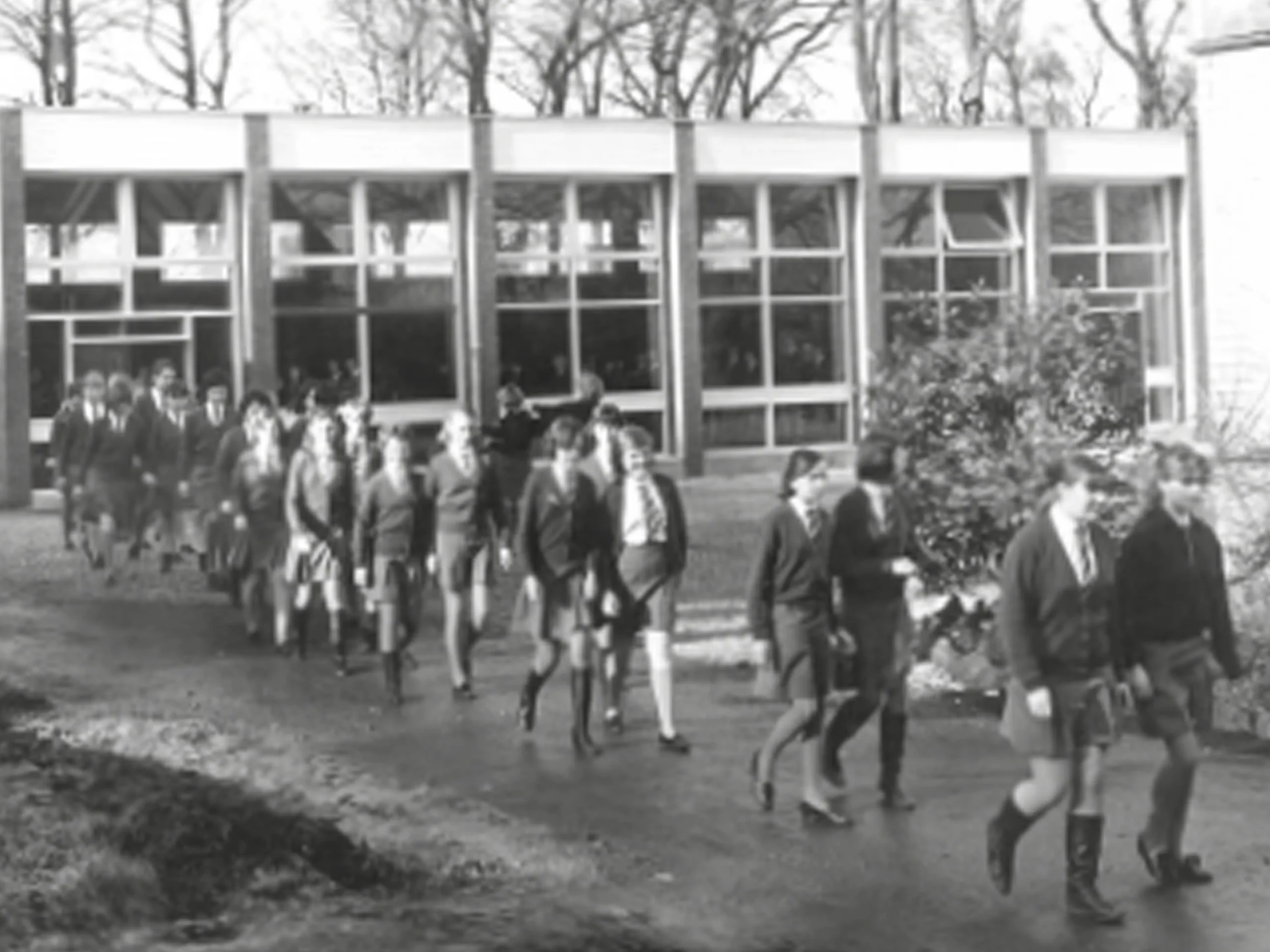
At Westholme, the late sixties and early seventies were a time of rapid expansion at Wilmar Lodge. The multi-purpose Clitheroe Hall built at the end of the sixties was swiftly followed by the Thatcher Wing in 1970. Its commemorative plaque was mounted on wood from a 300-year-old elm once on the site. Soon came the Sports Hall, Swimming Pool, Library Wing, and Art Block, meeting the needs of 645 pupils. Former Headmistress Lillian Croston reflected on these years as a time of growth without losing Westholme’s ideals.
1980s
In the early 1980s expansion continued with the Bungalow, adding classrooms, Home Economics rooms, and a Physics lab. The purchase of Wilmar Lodge Farm in 1987 brought new playing fields and a Sixth Form Centre, with the first Sports Day in 1988.
Dr Bond decided to retire and, in the summer of 1987, Mrs Lillian Croston, BSC Hons (Dunelm) PGCE, ALCM was appointed and In 1989 brought in the new School motto ‘Mens Sana in Corpore Sano’ – “A healthy mind in a healthy body”

1990s
Science thrived at Westholme with six custom-built Biology, Chemistry, and Physics labs opened in 1994 by Britain’s first astronaut, Dr Helen Sharman OBE.
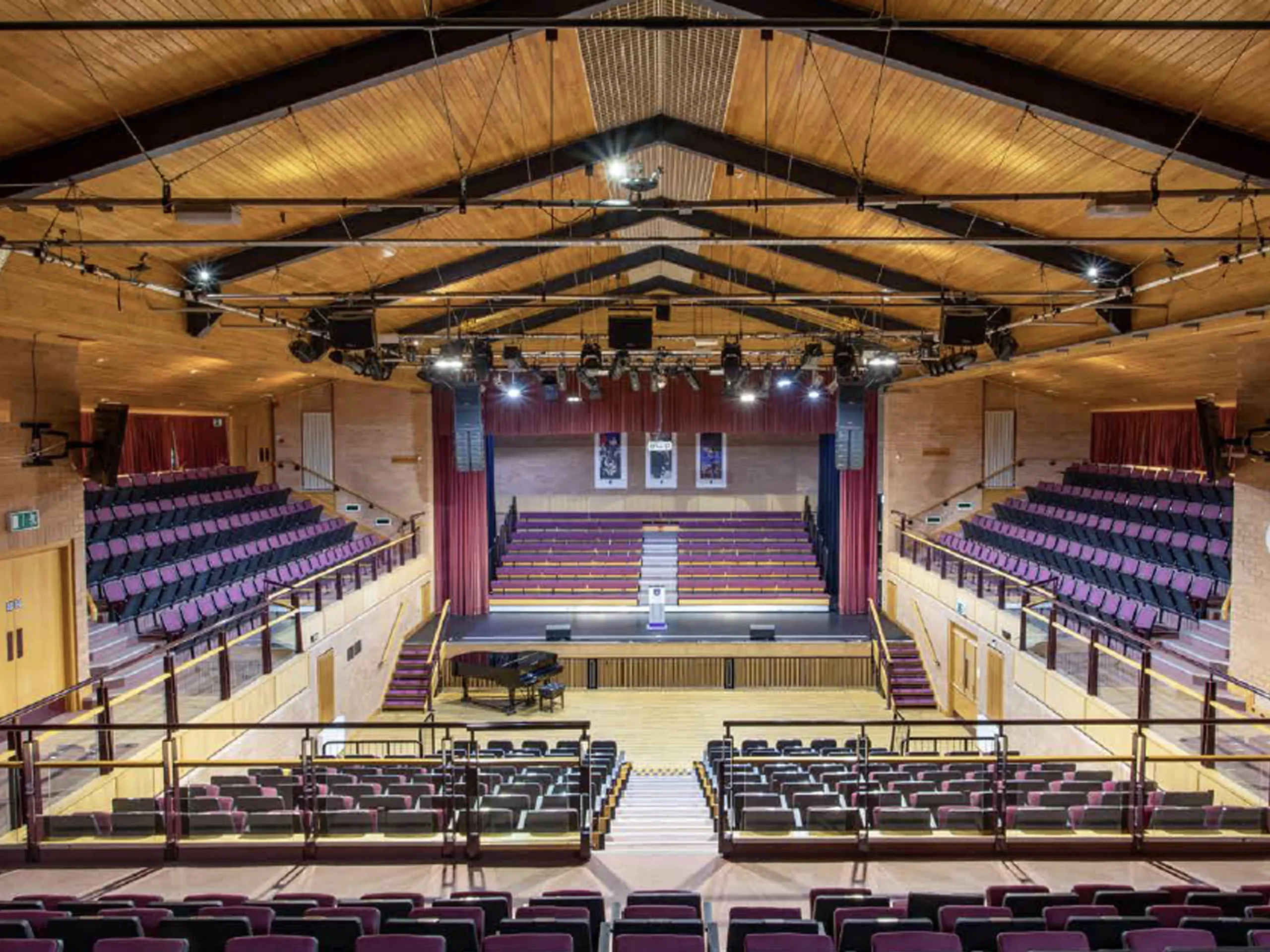
Development continued with a new theatre and assembly hall opening, instantly becoming the School’s vibrant heart. Under Music Director Mr Millest, ‘Anniversary Concerts’ attracted internationally renowned artists like pianist Kathryn Stott. The theatre buzzed with drama lessons, House Play rehearsals, and performances, from A Christmas Carol to Guys and Dolls. Officially opened in 1998, it was the decade’s crowning glory.
That same year, Westholme celebrated its 75th birthday with time capsules, badge-making, special assemblies including founder Emily Singleton’s descendants, birthday cakes, and commemorative mugs — a fitting tribute to a proud history.
2000s
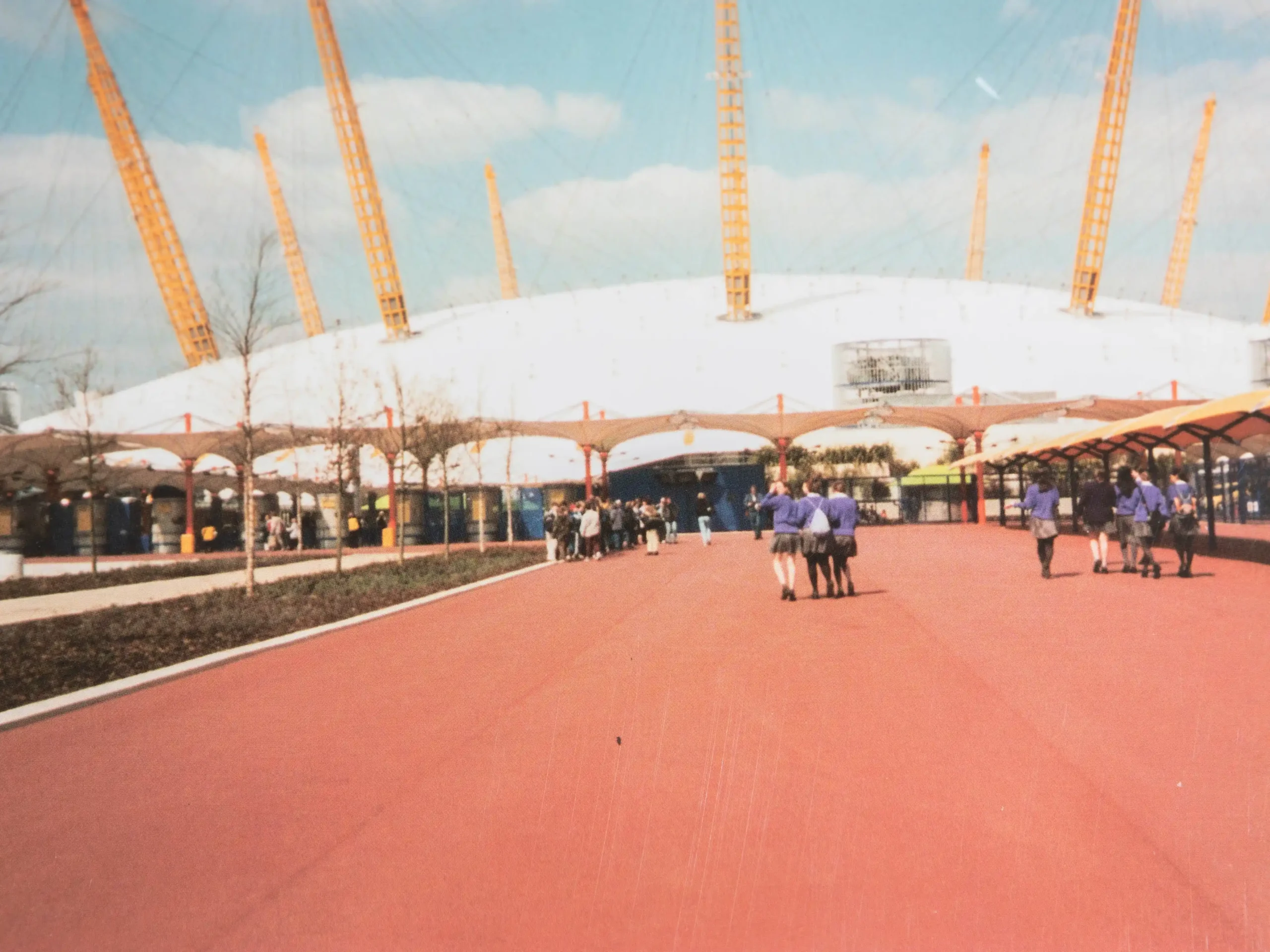
Westholme made headlines as the first pupils allowed onto the Millennium Dome building site, with over 1,000 students preparing for the monumental visit. Despite challenges like floods and a petrol crisis, the School thrived. Fundraising led to the all-weather pitch opening by Minister Jeremy Hunt. Westholme excelled nationally, topping the Biology Olympiad and sending seven girls to Oxford and Cambridge in 2007. Extracurriculars flourished, including international trips and the unforgettable Channel Swim relay from Dover to France. In 2003, the new Sixth Form Centre opened, launched by Everest climber Rebecca Stephens, alongside the start of the Boys’ School.
2010s
Westholme boasts a big impact nationally and internationally, welcoming famous visitors like Buzz Aldrin, Dame Jessica Ennis-Hill, and David Baddiel. Its adventurous spirit is reflected in global trips to Tanzania, Kenya, California, and New York.
The School thrives with continual improvements including the refurbishment of the Music Centre by alumna Diana Vickers, new floodlights, and advanced tech in Design Technology.
Major celebrations included the Queen’s Diamond Jubilee and the Olympic Torch relay starting at Billinge House. Academic and extracurricular success flourished, with students excelling in national competitions and sports.

2020s
2023 marks Westholme’s centenary a year of celebration and reflection. Since Emily Singleton’s pioneering start in 1923, Westholme has championed all rounded education, nurturing both academic excellence and personal growth.
This unique ethos, described by former Head Boy Dominic Naylor as the “best of both worlds,” continues to define the School. The INSPIRED Sixth Form exemplifies this vision, preparing students with essential 21st century skills through personalised learning and strong student-teacher relationships. As Westholme looks ahead, it remains committed to providing outstanding education and facilities, ensuring its place as Lancashire’s highest-achieving School for generations to come.


Find us
Westholme School Wilmar Lodge,
Meins Rd, Pleasington
BB2 6QU
Call
01254 506070
Senior & INSPIRED Sixth Form
secretary@westholmeschool.com